

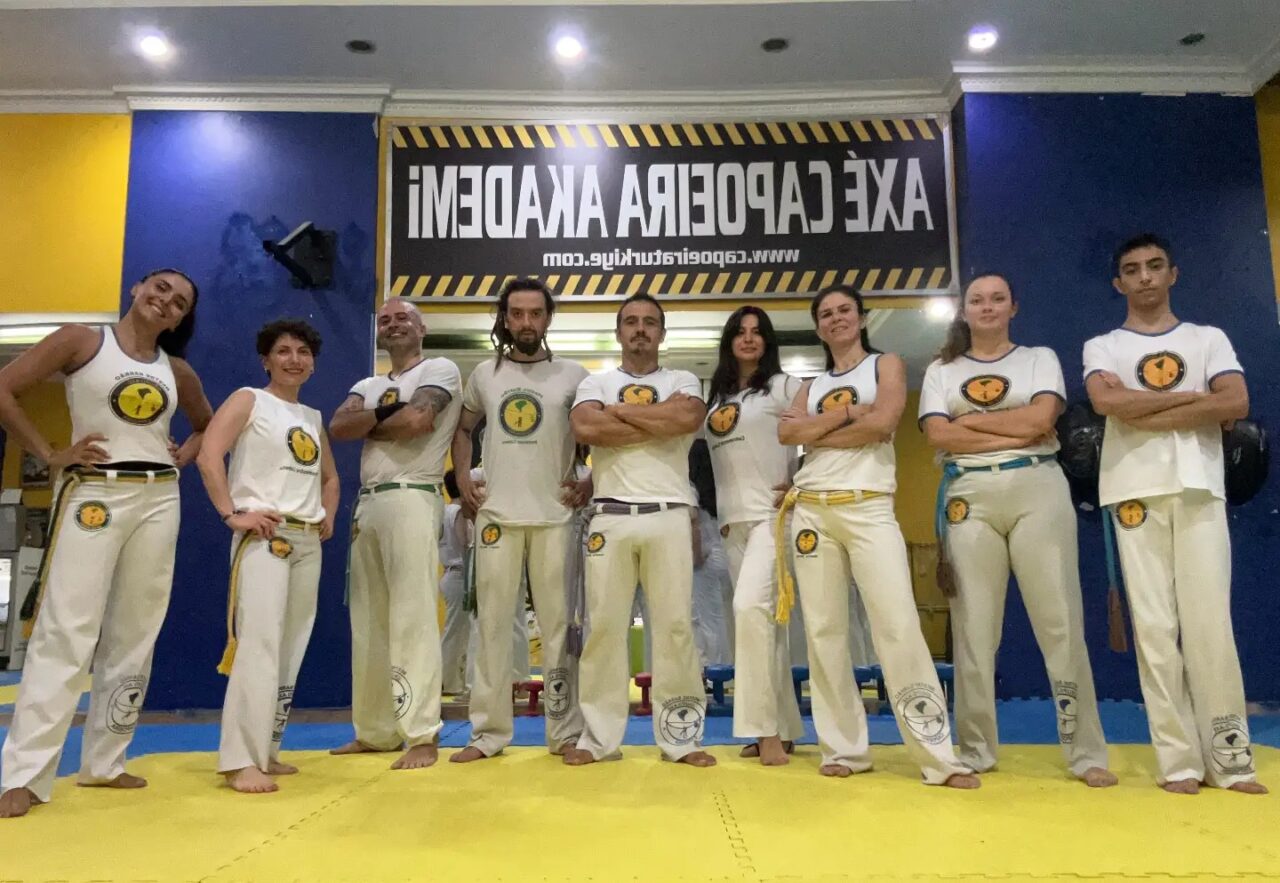
When capoeira history is told, the first names that come to mind are men: Besouro, Bimba, Pastinha, Waldemar. One reason is that most of the old records are police and court documents, and how those documents recorded people. Another is that capoeira was long seen as a male domain.
Even so, women were always part of capoeira’s history. In this article we look at what the documents say about women, the women capoeiristas who live on in oral tradition, and the road to the women who hold the title of mestra today. We take care to separate documents from oral accounts, because on this subject the two are often mixed up.
What do the 19th-century police records say?
The oldest written records of capoeira are the arrest registers of the Rio de Janeiro police. Almost all of the 438 capoeira charges in the Rio police records for 1810–1821 concern enslaved men. Women hardly ever appear in these registers on a direct charge of capoeira.
This may not mean that women stayed away from capoeira. Researchers point out that the police preferred to record women not as capoeiristas but as quarrelsome, disorderly or drunk. In the Bahian records too, women mostly appear on charges of street fighting and disorder. It is often impossible to tell from these documents whether a woman was actually playing capoeira.
We look at the arrests in the Rio police records in more detail in our article on the 19th-century Rio police records.
Maria Felipa: history and story
One of the women most often mentioned in capoeira circles is Maria Felipa de Oliveira. From the island of Itaparica, Maria Felipa is known for joining the island’s women in resisting Portuguese ships during Bahia’s struggle for independence from Portugal in 1822–1823. She is remembered in Bahia today as a folk hero.
According to the sources we consulted, Maria Felipa’s death certificate from 1873 survives. But the stories that she played capoeira rely not on documents but on oral tradition. So Maria Felipa being a woman of the resistance is historical fact; her being a capoeirista is a story that lives in oral tradition.
The legendary women of Bahia
In the first decades of the 20th century, the names of several women in Salvador entered capoeira stories. We know most of them from the accounts of masters and from capoeira songs. The ones mentioned most often are:
- Maria Doze Homens: Her name (‘Maria Twelve Men’) is said to come from fighting twelve men. Some accounts say she was a friend of Besouro Mangangá; this is not confirmed by documents.
- Salomé: Remembered as a friend of Maria Doze Homens; known for samba de roda and capoeira.
- Júlia Fogareira, Maria Homem, Palmeirona: They appear in masters’ accounts as strong, fearless women.
- Rosa Palmeirão: Said to have beaten a well-known tough guy, Rosa Palmeirão also inspired a character in Jorge Amado’s novel Mar Morto.
The women around the roda
Women’s place in capoeira was not limited to playing. According to the Bahian researcher Waldeloir Rego, who studied capoeira, women were the helpers and confidantes of capoeiristas during the years of the ban. It is said that they warned of approaching police and hid knives used in fights inside their skirts or headscarves.
Women also appear often in capoeira songs. Corridos still sung in the roda today, such as ‘Dona Maria, o que vende aí?’ (‘Dona Maria, what are you selling there?’), tell of women in the marketplace and on the street. The songs show that women were an inseparable part of the street life in which capoeira lived. We describe the song types in our article capoeira musical instruments.
The documents are saying new things
In recent years researchers have started re-examining the police records in the Bahia State Archive. A doctoral thesis at the University of Brasília (UnB) studied the many women recorded on charges of fighting, disorder and rowdiness on the hillside streets of Salvador between 1900 and 1920. The thesis criticises how women’s fights were attributed to trivial causes such as ‘jealousy’, while the same fights were considered ‘courage’ for men.
These studies show that women were part of street culture and of the capoeira that lived alongside it. But not every record is a capoeira record, and researchers also stress this distinction.
Women entering the academies
An often-quoted saying of Mestre Pastinha is that capoeira is for men, children and women, and that those who don’t learn it are those who don’t want to. According to the sources we consulted, the registers of Pastinha’s Capoeira Angola centre (CECA) contain traces of women students from the 1960s; research into the details of these records continues.
The number of women in capoeira academies grew in the 1970s and 1980s. Today there are women who hold the title of mestra, and studies of the first mestras are recording their stories. We explain the cord and title system in our batizado article.
In the roda today
Today women take part in capoeira groups as both students and instructors. In many groups women and men train in the same class and play in the same roda. Capoeira asks for timing, flexibility and game intelligence more than strength, which makes it an art open to every body.
If you’re thinking of starting capoeira as an adult, take a look at our article capoeira for adults.
Frequently asked questions
Did women play capoeira in the old days?
Oral tradition and some police records show that women were part of street culture. But because most documents recorded women not as capoeiristas but on charges of fighting or disorder, it’s hard to say anything for certain.
Was Maria Doze Homens a real person?
Her name appears in masters’ accounts and in songs. Documentary information about her life is very limited; some of the stories told about her are legend.
Do women and men attend the same class?
In most groups, yes. Classes are divided by level, not by gender.
There’s room for everyone in the roda
Capoeira’s history often overlooked women, but the roda itself is open to everyone. In Axé Capoeira Türkiye groups the first class is a free trial.
Read more
- Capoeira in 19th-Century Rio Police Records: What Do the Documents Tell Us?
- Besouro Mangangá: The Man in the Documents and the Legend in the Songs
- Mestre Pastinha, CECA and the 1966 Dakar Festival
New to capoeira? Start with our guide What is capoeira and how is it played?.
Contact us for a free trial class
For class times and venues, see your city’s page: Istanbul, Ankara, Bursa, Antalya, Trabzon, Sinop, Şanlıurfa. Axé!